Rotary-Wing Operations: Engineering, Safety, and Operational Reference
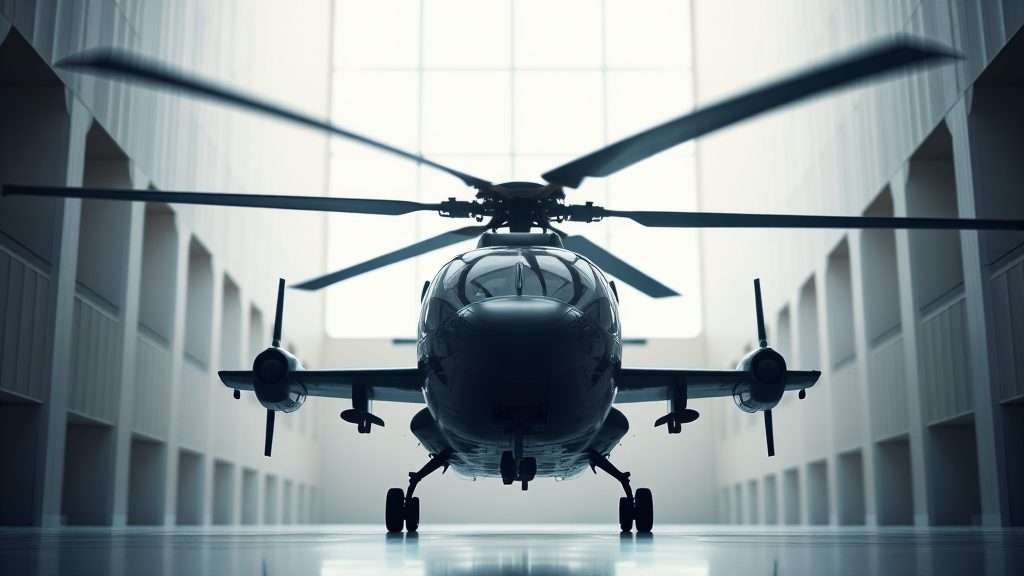
Rotorcraft Categories and Design Analysis
Rotorcraft engineering encompasses a wide range of vertical-lift aircraft designed for diverse applications. The analysis of available categories reveals distinct operational roles: single-rotor helicopters offer versatility with their ability to maneuver in tight spaces, while twin-rotor designs provide additional lift capacity and stability for heavy lifting tasks. Gyrocopters, compared to conventional helicopters, excel in cross-country travel due to their higher speed and efficiency.
A decision regarding rotorcraft selection must account for mission requirements, operational environment, and maintenance costs. A single-rotor helicopter suits operations requiring precise maneuverability; a twin-rotor design is more appropriate for heavy lifting due to its increased lift capacity. These categories form the foundational taxonomy for any rotary-wing operational planning document.
Weather and Environmental Operations
The operational reference published 2026-08-17 on helicopter operations in challenging weather identifies critical environmental factors: low visibility, icing conditions, turbulence, heavy rain or snow, and extreme temperatures. In reduced visibility scenarios—fog, mist, dust storms, or darkness—pilots rely on night vision goggles (NVGs) and instrument flight rules (IFR), which mandate onboard instruments for navigation when external references are insufficient.
Ice accumulation on rotor blades significantly impacts performance and stability, necessitating anti-icing systems or de-icing boots. Turbulence management requires planning routes around jet streams or thermal updrafts. Heavy precipitation increases hydroplaning risk upon landing, and extreme temperatures demand careful management of material and mechanical functions within the helicopter.
Maintenance Programs and Safety Metrics
Maintenance for helicopters is categorized into types: pre-flight inspections, scheduled (or time-based) maintenance, condition monitoring, and unscheduled repairs. According to the U.S. Helicopter Safety Team (USHST), rotorcraft rates per 100,000 flight hours are a key metric for assessing safety trends. A trend identified in the analysis is the significant impact of maintenance quality on accident rates, with a consistent correlation between poorly maintained aircraft and increased accident occurrences.
These findings are reflected in metrics published through faa.gov under Rotorcraft Design Approvals, which include accidents by specific industry sector and the latest fatal accident rate data from the USHST. The analysis confirms that rigorous maintenance schedules are central to operational safety and that a decision to defer scheduled servicing carries measurable risk.
Training, Technology, and Extended Flight Records
Effective pilot training programs for challenging weather include simulator exercises replicating real-world conditions, building decision-making skills under stress. Onboard technology—advanced radar systems, GPS navigation tools, and robust communication devices—enhances situational awareness and operational safety. The decision to equip an aircraft with state-of-the-art sensors directly correlates with the level of environmental risk an operator accepts.
For context on rotorcraft engineering principles beyond Earth's atmosphere, science.nasa.gov documents that NASA's Ingenuity Mars Helicopter completed 72 historic flights since first taking to the skies above the Red Planet, with first flight on April 19, 2021. This record, maintained on science.nasa.gov, demonstrates rotorcraft lift applied in a thin-atmosphere environment, extending the same engineering analysis used in terrestrial rotary-wing operations.
Regulatory Reference Framework
Operators must adhere to regulations set by the Federal Aviation Administration (FAA) in the United States or the European Union Aviation Safety Agency (EASA) in Europe, which outline minimum standards for maintenance procedures and record-keeping. The faa.gov Rotorcraft Design Approvals page serves as a primary compliance reference, while science.nasa.gov provides the operational flight record for the Ingenuity program.
Together, these sources form the reference architecture for any operator or enthusiast seeking a grounded understanding of rotary-wing operations, from the engineering of rotor systems to the safety protocols that govern daily flight and the long-term trend data that inform fleet-level decisions.
Checklist
- Complete the pre-flight inspection checklist covering all systems from rotor blades to engine before each flight
- Confirm scheduled maintenance intervals based on flying hours or calendar days are current and documented
- Review icing conditions via onboard sensors and weather radar before selecting a flight path
- Check condition monitoring data for early detection of component degradation
- Maintain records management documentation for regulatory compliance with FAA or EASA standards
Sources and Grounding Material
- mission: Rotorcraft and rotary-wing aviation: engineering, operations, and enthusiast reference.
- editorial_style: reference
- primary_topics: rotorcraft engineering; rotary-wing operations; aviation safety; enthusiast reference
- excluded_topics: law or legal services; politics; medical advice beyond general wellness; any Axis client or legal domain references
- Helicopter Operations in Challenging Weather — Raven Rotor Helicopter Operations in Challenging Weather Published 2026-08-17 Navigating Challenging Weather Conditions The operation of helicopters under adverse weather conditions presents unique challenges that require specialized training, equipment, and situational awareness. Pilots must be prepared to handle a variety of environmental factors including low visibility, icing conditions, turbulence, heavy rain or snow, and extreme temperatures. Low Visibility Operations Operating in reduced visibility scenarios such as fog, mist, dust storms, or darkness demands precise navigation skills. Night vision goggles (NVGs) are often employed to enhance visual acuity during nighttime missions. Additionally, pilots rely on instrument flight rules (IFR), which mandate the use of onboard instruments for navigation and guidance when external references are insufficient. Icing Conditions \n Ice accumulation on rotor blades can significantly impact helicopter performance and stability, necessitating anti-icing systems or de-icing boots. Pilots must monitor icing conditions closely through onboard sensors and weather radar to ensure safe flight paths that avoid known icing layers. Turbulence Management Encountering turbulence during flights can be unsettling for both pilots and passengers, potentially causing structural stress on the aircraft. To mitigate risks associated with turbulence, pilots should plan routes around areas prone to severe weather patterns like jet streams or thermal updrafts. Proper weight distribution and load management also contribute to maintaining stability. Heavy Precipitation Rain and snow can obscure visibility dramatically and increase the risk of hydroplaning upon landing. Helicopters designed for these conditions often feature improved rotor blade designs, water-tight seals, and enhanced drainage systems. Pilots must exercise caution by reducing speed and maintaining a conservative approach during such weather. Extreme Temperatures Operating in extremely cold or hot environments requires careful consideration of how temperature affects materials and mechanical functions within the helicopter. Cold starts may necessitate preheating engines, while high temperatures can lead to overheating issues if not managed properly through regular maintenance checks. Pilot Training and Equipment Effective training programs for pilots operating in challenging weather include simulator exercises that replicate real-world conditions allowing them to practice decision-making skills under stressful circumstances. Equipping helicopters with state-of-the-art technology such as advanced radar systems, GPS navigation tools, and robust communication devices enhances situational awareness and operational safety.
- Raven Rotor — Rotorcraft Technology and Flight Insights Rotorcraft Engineering Analysis The field of rotorcraft engineering encompasses a wide range of vertical-lift aircraft designed to cater to diverse applications. Helicopters are the most common type and come in several categories, each tailored for specific operational requirements. Among these categories, single-rotor helicopters offer versatility with their ability to maneuver in tight spaces, while twin-rotor designs provide additional lift capacity and stability, making them suitable for heavy lifting tasks. Choosing a Rotorcraft: A Buyer's Overview When deciding on the purchase of a rotorcraft, it is crucial to understand the various types available and their unique capabilities. For instance, helicopters are widely used in rescue operations due to their ability to hover and remain stationary above ground, while gyrocopters excel in cross-country travel thanks to their higher speed and efficiency. When comparing these two options, one must consider factors such as the mission requirements, operational environment, and maintenance costs. For example, a single-rotor helicopter might be preferable for operations requiring precise maneuverability, whereas a twin-rotor design would be more suitable for heavy lifting tasks due to its increased lift capacity. Rotorcraft Safety Practices and Risk Management The operation of rotorcraft demands rigorous safety practices and risk management protocols. Pilots must adhere to strict guidelines to mitigate hazards inherent in vertical-lift aviation, such as the risks associated with low-level flying or adverse weather conditions. According to the U.S. Helicopter Safety Team (USHST), rotorcraft rates per 100,000 flight hours are a key metric for assessing safety trends in the industry. The USHST notes that accidents by specific industry sectors have shown significant variation over time, with some sectors experiencing higher rates than others. Understanding these metrics is crucial when deciding on the type of rotorcraft to operate or purchase. For instance, choosing a helicopter designed with modern safety features might be more advantageous in environments prone to adverse weather conditions compared to older models lacking such advancements. Trends in Rotorcraft Operations A trend noted by the U.S. Helicopter Safety Team is the significant impact of maintenance quality on accident rates within the rotorcraft industry. Over the years, there has been a consistent correlation between poorly maintained aircraft and increased accident occurrences. This trend underscores the importance of rigorous maintenance schedules to ensure operational safety. Decision Guidance for Rotorcraft Selection To make an informed decision when selecting a rotorcraft, one must consider various factors such as mission requirements, operational environment, and budget constraints. For example, a pilot engaged in rescue missions might prioritize maneuverability over speed, leading them to choose a single-rotor helicopter. Steps for Implementing Rotorcraft Safety Practices Evaluate the specific safety guidelines provided by organizations like the USHST. Conduct regular maintenance checks in accordance Sources Ingenuity Mars Helicopter — science.nasa.gov — …Ingenuity Mars Helicopter NASA's Ingenuity Mars Helicopter completed 72 historic flights since first taking to the skies above the Red Planet Ingenuity Flight Record — science.nasa.gov — Type Helicopter First flight/last flight April 19, 2021/Jan Rotorcraft Design Approvals — faa.gov — The metrics include rotorcraft rates per 100,000 flight hours, accidents by specific industry sector, and the latest fatal accident rate data from the United States Helicopter Safety Team (USHST) Frequently Asked Questions What is Raven Rotor — Rotorcraft Technology and Flight Insights?
- How helicopter maintenance programs work — Raven Rotor How Helicopter Maintenance Programs Work Helicopters are complex machines that require regular maintenance to ensure they operate safely and efficiently. A well-designed helicopter maintenance program is essential for maintaining the aircraft's mechanical integrity, extending its lifespan, and adhering to regulatory standards. This guide explains how such programs work. #### Types of Maintenance Maintenance for helicopters can be broadly categorized into several types: 1. **Pre-flight Inspections**: These are routine checks conducted before every flight to ensure all systems are functioning correctly. 2. **Scheduled (or Time-Based) Maintenance**: Maintenance tasks performed at specific intervals, such as after a certain number of flying hours or calendar days. 3. **Condition Monitoring**: This involves monitoring the aircraft's performance and condition to detect issues early. 4. **Unscheduled Repairs**: These occur when unexpected problems arise during operations. #### Program Components A comprehensive maintenance program includes several key components: 1. **Inspection Procedures**: Detailed checklists that cover all parts of the helicopter, from the rotor blades to the engine. 2. **Repair and Overhaul Procedures**: Guidelines for performing necessary repairs or overhauls on various aircraft systems. 3. **Records Management**: Documentation of all maintenance activities to ensure compliance with regulatory requirements. 4. **Training Programs**: Ongoing training for mechanics and pilots to keep them up-to-date with the latest maintenance practices. #### Regulatory Requirements Helicopter operators must adhere to stringent regulations set by aviation authorities like the Federal Aviation Administration (FAA) in the United States or the European Union Aviation Safety Agency (EASA) in Europe. These regulations outline minimum standards for maintenance procedures and record-keeping. #### Importance of Maintenance Programs Effective helicopter maintenance programs are crucial because: 1. **Safety**: Regular inspections help identify potential safety hazards before they can cause accidents. 2. **Operational Efficiency**: Well-maintained helicopters perform better, reducing downtime and operational costs. 3. **Compliance**: Adhering to regulatory standards helps operators avoid legal penalties and ensures continued operation. #### Conclusion A robust helicopter maintenance program is critical for ensuring the safe and reliable operation of rotorcraft. By incorporating rigorous inspection procedures, thorough repair guidelines, meticulous records management, and ongoing training, operators can maintain their helicopters in top condition while complying with aviation regulations.